 Back
Back



On the morning of July 4, 2025, the residents of Kerrville, Texas, woke up expecting a day of celebration. Families had plans for barbecues, river floats, and fireworks. The campgrounds along the Guadalupe River were packed with visitors ready to enjoy the holiday weekend.
But before the sun could even crest the horizon, the celebration turned into a fight for survival.
“It was a water bomb,” describes Conan, an employee of Global Empowerment Mission (GEM) who grew up in Kerrville. “We got something like 11 inches of rain in three hours. The scale of it was just unimaginable.”
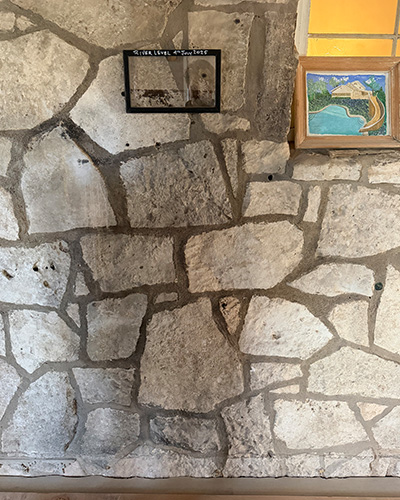
In the span of minutes, the river that defines this community transformed from a beloved landmark into a destructive force, changing the landscape of the Texas Hill Country — and the lives of its residents — forever.
Five Minutes, Tops
The speed of the floodwater was unlike anything the community had seen. Conan recounts stories from survivors who barely had time to react. One man looked out his window, saw the river rising, and went to wake his wife. In the time it took to walk to the bedroom and back — less than five minutes — their escape route was gone. His truck was already halfway submerged.
“People woke up to the sound of roaring water,” Conan shares. “They stepped out of bed into water inside their RVs. Some couldn’t get out fast enough. I talked to folks whose RVs were rolled by the current, tumbling like dryers with them inside.”
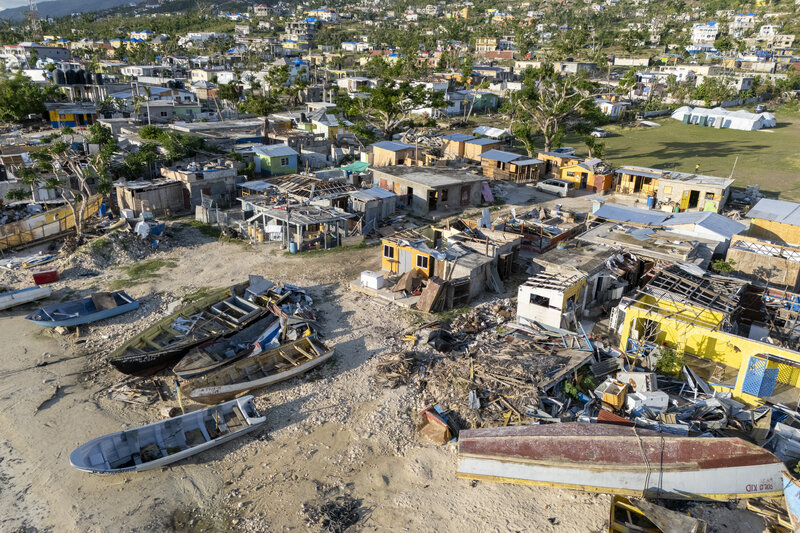
The physical scars of that morning are still visible months later. Debris hangs high in the branches of cypress trees — some 30 feet in the air — marking the terrifying height the river reached. In the weeks following the flood, the Coast Guard and local task forces performed over 100 rescues, plucking people from rooftops and tree branches.
But as the waters receded, a different kind of reality set in. The immediate danger had passed, but the long road to recovery was just beginning.
The Economic Aftershock
Kerrville is a community deeply connected to its river. It is the lifeblood of the local economy, drawing tourists, campers, and “Snowbirds” from northern states who spend their winters in local RV parks.
The flood didn’t just take homes; it took livelihoods.
“The Snowbirds aren’t coming this year,” Conan explains. “Our RV capacity is cut in half. Short-term rentals that are usually booked solid for spring and summer are sitting empty.”
The ripple effect is being felt across town. Restaurants that rely on seasonal visitors are seeing fewer tables filled. Contractors are overwhelmed with work but navigating the complications of a disaster zone. Rezoning regulations along the river mean that some beloved camps and parks may never reopen as they once were, or will need to fundamentally change how they operate.
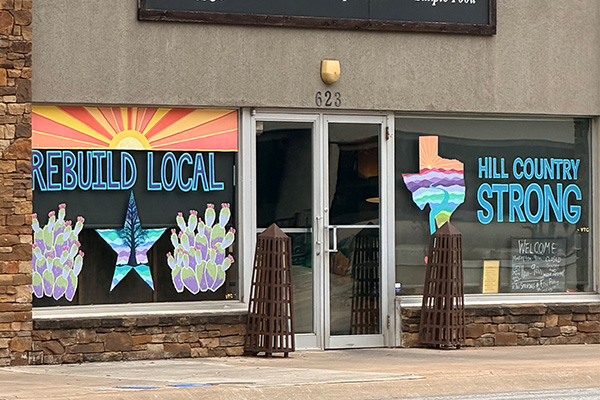
“It’s going to change the way people feel about the river,” Conan notes. “The Fourth of July is going to be a tough one this year. The city always has a picnic down in Luis Hayes Park. It’s a big celebration for the community. I don’t think they’re going to do it. The park hasn’t been rebuilt, and there’s some guilt about enjoying the river when so much was lost there.”
The river is woven into family traditions, into small business revenue, into generational memory. When it rose, the impact extended far beyond the floodplain.
The damage to homes is visible. The damage to momentum is harder to see.
After the Headlines Fade
In the immediate aftermath of the flood, the response was profound.
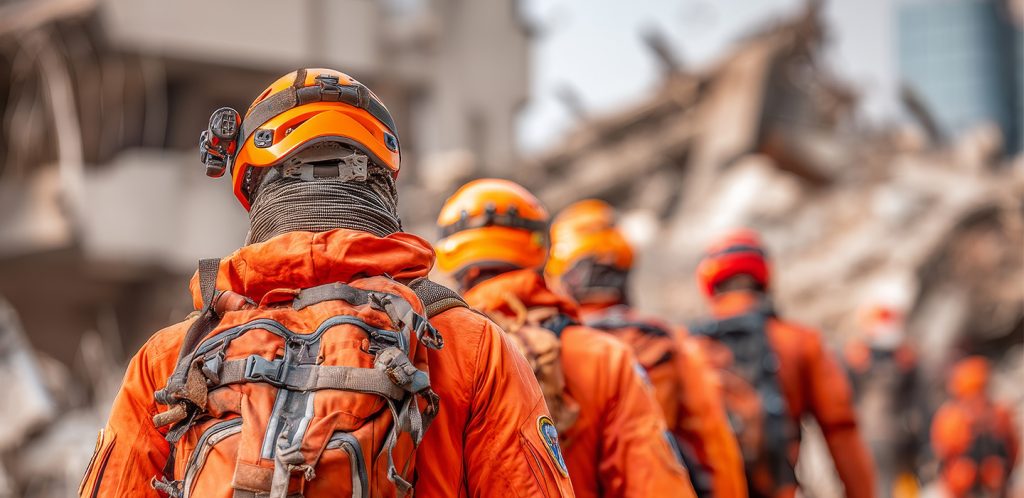
Search and rescue teams moved swiftly. The Coast Guard and local task forces conducted more than 100 rescues. Neighbors checked on neighbors. Local restaurants stepped in to feed first responders and displaced families. Churches opened their doors. Volunteers arrived with boats, chainsaws, and supplies.
For a time, the community operated on adrenaline and unity.
“There was just an overwhelming response,” Conan recalls. “People came from everywhere.”
That early surge of support saved lives and stabilized families in crisis. But as weeks turned into months, the nature of the need changed.
Emergency food and water are no longer the primary concern. The work now is slower, heavier, and more complicated. It’s rebuilding walls. Rewiring homes. Replacing flooring. Navigating insurance gaps. Determining what rebuilding should look like along a river that reshaped itself overnight.
There are roughly 300 to 400 homes that still need repair. The labor is there. Skilled workers and volunteers are willing. What’s missing are materials.
“Drywall, insulation, flooring — that’s what I hear over and over,” Conan says. “We have the people willing to do the work, but getting the materials is the biggest limitation.”
And while some areas have received significant support, others — particularly communities with deep infrastructure damage but fewer outside connections — are still working to secure the resources needed to move forward.
The challenge now is sustaining access. Ensuring building materials reach neighborhoods that may not have the loudest voice but have sustained significant loss. Keeping resources flowing after national attention shifts elsewhere. Closing the gap between readiness to rebuild and the practical ability to do so.
Progress has been real. But so are the remaining barriers.
Hill Country Strong
Recovery in Kerrville is not a single milestone. It is an ongoing process unfolding along the banks of the Guadalupe.
There are still homes that stand empty. Families navigating insurance claims. RV parks operating at reduced capacity. Local businesses adjusting to a season that looks very different than years past. Generations of Texans who have spent summers along this stretch of river are grieving the loss of places that shaped their memories.
The impact here is not just physical. It’s economic. It’s cultural. It’s deeply personal.
And yet, there is movement.
Homes are being repaired. Community leaders are thinking carefully about what rebuilding along the river should look like — not just for this year, but for decades to come. Conversations are shifting from immediate relief to long-term resilience.
“We’re making progress,” Conan says. “But there’s still a long road ahead.”
Next July 4th may look different. The park may still be rebuilding. Traditions may evolve. But the people who make this community what it is are still here — doing the steady, often unseen work of recovery.