 Back
Back



In Jamaica, thousands of lives depend on fishing. A fleet of small-boat fishers catch fish in handmade pots, upporting not only themselves, but the wider community of fisherfolk whose livelihoods are tied to the daily catch.
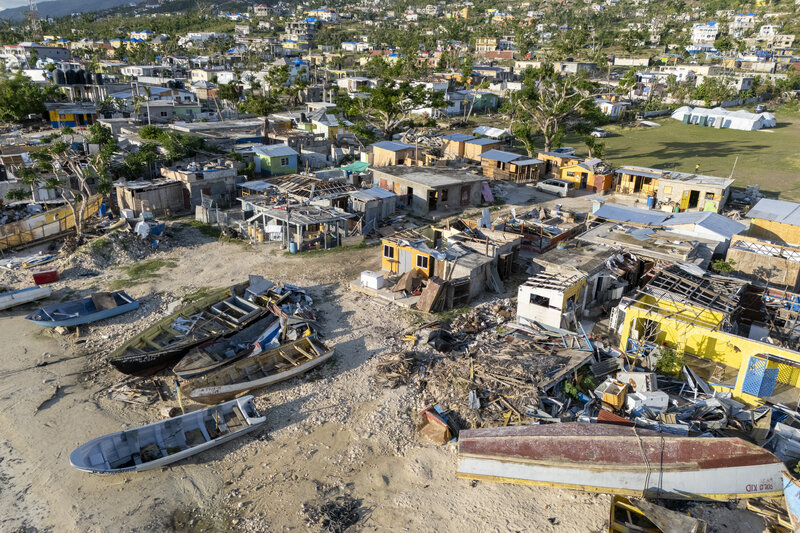
In October 2025, one of the strongest hurricanes ever recorded to make landfall in Jamaica shattered all of that. Hurricane Melissa swept small boats off the shore, tore roofs from homes, and destroyed the pots fishers use to catch fish. Without their boats and pots, fishers like Damion Heath, 22, could no longer go out to sea.
Just like his grandfather and great-grandfather before him, Damion is proud to be a fisher, a trade that has fed his family for generations. The hurricane destroyed all his pots, and without them, he could not make a living
“Everyone depends on fishing, to send your children to school, the fish vendor, fish family, we have to do fishing,” he said.
Many months after the storm, only about 10% of fishers in Damion’s community had returned to work. Thanks to a partnership between Good360 and Sandals Foundation, the philanthropic arm of Sandals Resorts, this critical industry is starting to recover. In May, 170 donated rolls of fishing wire were distributed to fishers in St. Elizabeth and Westmoreland along the southwestern coast. Almost immediately, the community got to work, and Damion is now rebuilding. One roll of wire will produce five new large pots, and from there, he plans to buy more wire and build a food stall where he can cook and sell his own catch.
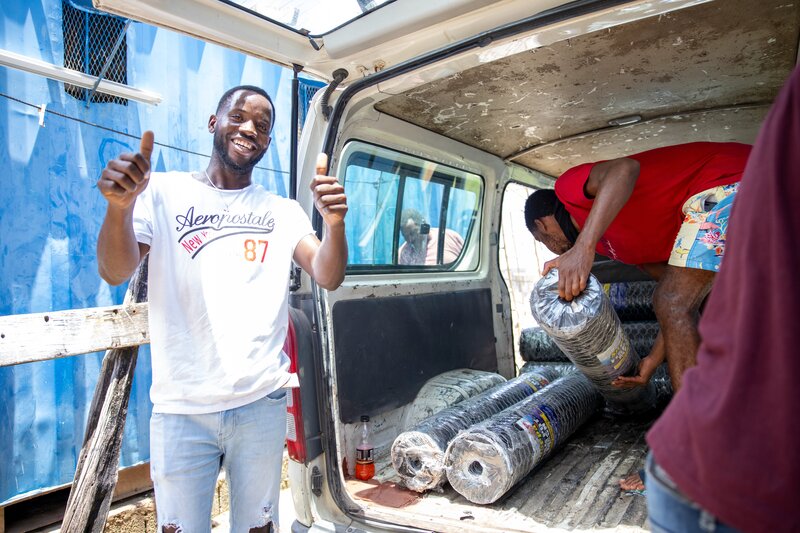
“Just one of those rolls of wire can feed us for up to six months. It’s a jump start, a very big jump start,” he said.
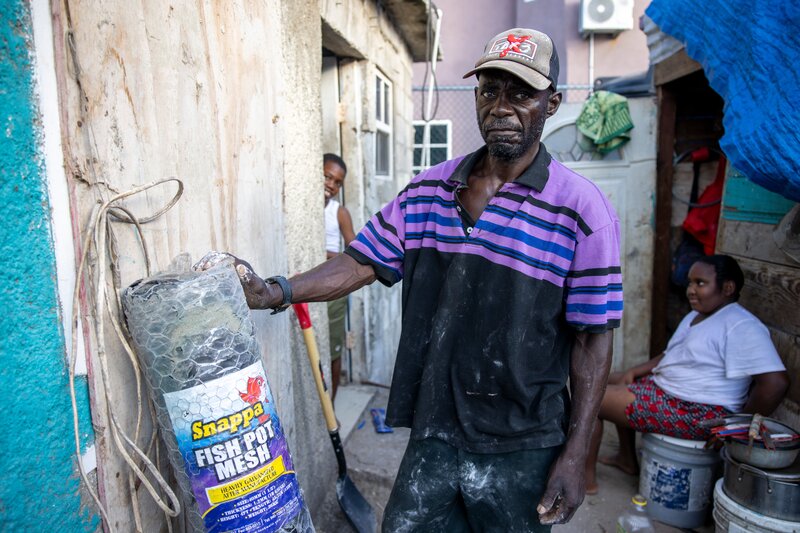
Within hours, the new wire was in the hands of potmakers like Natty Watson, 55, who supports his wife, who has a disability, and his six grandchildren. Like most fisherfolk in the area, Natty had been out of work since Melissa. When the wire arrived, he was immediately commissioned to build new pots for local fishers. Potmaking is a detailed artisanal skill, and Natty is known locally for his craftsmanship. The new work means groceries for his grandchildren and taxi fare so they can get back to school.
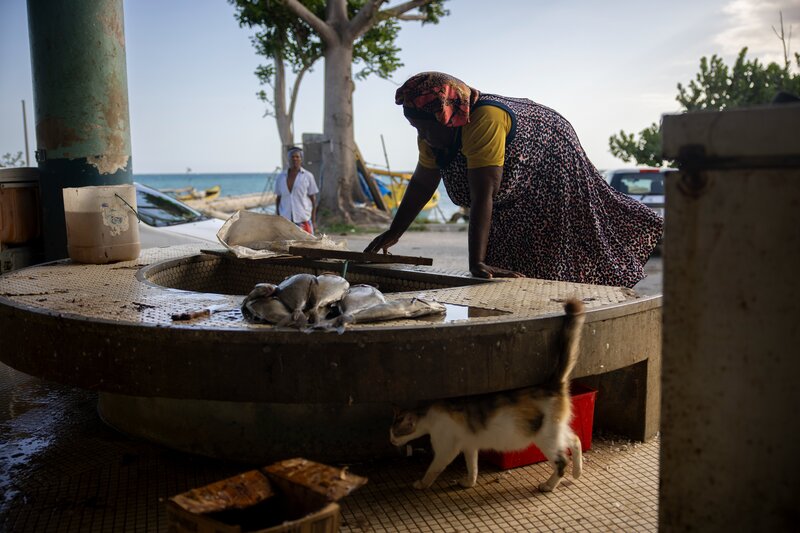
Back on land, a host of fish scalers wait for the fishers and their catch. Women like Sonia Jameson, who had been out of work since the storm and relying on her children to support her, now have work again as fishers return to sea with new pots.
“It’s helped me a lot to pay my bills,” she said.
Jelecia Brown, 35, lives in Whitehouse, one of the main fishing villages and home to a Sandals resort. She said she had been working only about 25% as much as before the storm. As the work returns, she can once again afford to send her 4-year-old to the nearby preschool, which Sandals Foundation has been helping rebuild, covering the taxi fare and lunch costs that had become out of reach without her fish-derived income.
Grace Wilson and Marie Perrin, both 55, have sold fish for 35 years at the well-known St. Elizabeth-Westmoreland Border Food Stop, a market of about 30 stalls along a busy road where tourists and locals alike stop for local delicacies. Grace said the hurricane damaged her house and her business, and without a steady supply of fish to sell, her recovery stalled. Since the storm, she has had to travel far from home just to find fish for her stall. Marie, who is a fisher as well as a seller, operates a boat nearby with her brother, but storm-damaged pots have made it difficult to pull fish from the sea.
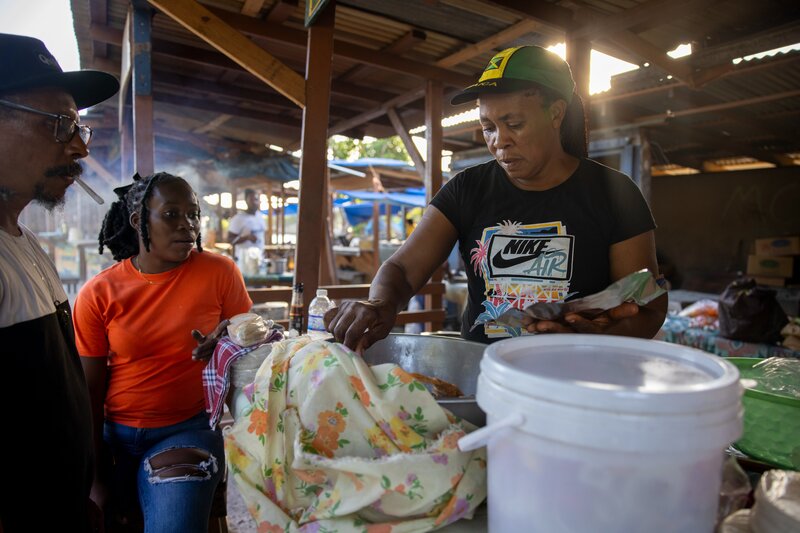
As potmakers in the area build the roughly 850 pots the 170 rolls of donated wire will yield, vendors like Grace and Marie will be able to buy the fish they catch. Grace hopes to earn enough to rebuild her roof, and Marie, her boat. Catch by catch, the famous food stop is coming back to life.
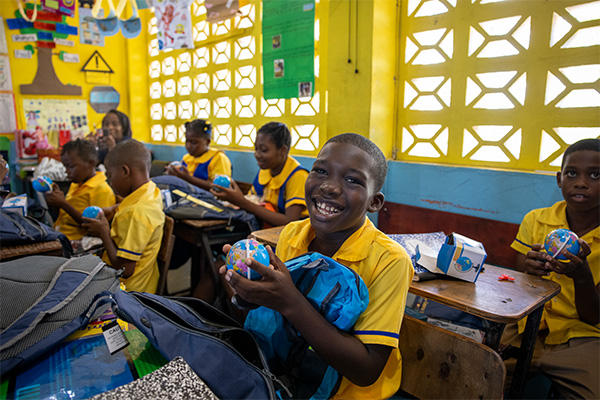
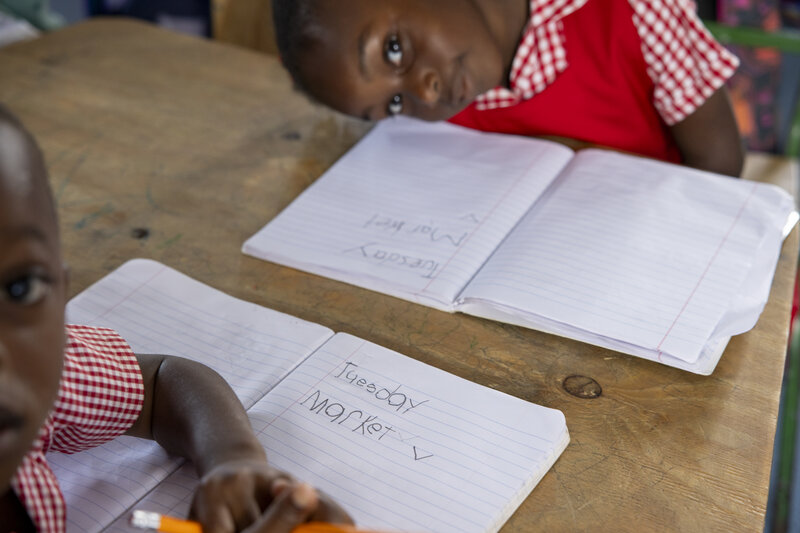
As work returns to the fishers, children are getting back to school. Culloden Infant School, a coveted free government preschool, sees children of fishers return when the catch is good, said principal Michelle Whittingham. It is where the youngest learn to read, a critical early step. If they are regularly absent, they can struggle and drop out of school in elementary. Working fishers means the next generation of Jamaicans can build a future.
By providing the raw materials to jumpstart the economy, Good360 and the Sandals Foundation are helping Jamaican fishing communities restart their lives. Goods that directly fuel livelihoods are setting off a cycle of work, income, rebuilding, and even schooling, one that lifts an entire region and uplifts the generation to come. It is a reminder that lasting disaster recovery depends on partners willing to stay engaged long after the headlines fade.
To learn more about Good360’s disaster response work, visit our Disaster Response and Recovery page.