 Back
Back



When temperatures drop, so do options for families who can’t afford warm clothing. For many communities, January brings some of the coldest days of the year, along with ongoing challenges that don’t pause once decorations come down. As temperatures remain low, the need for warmth, stability, and practical support continues.
Throughout December and into the heart of winter, Good360-supported nonprofit partners showed up for individuals and families facing cold weather during moments of transition, recovery, and uncertainty. Warmth arrived in many forms: a coat that made it possible to get to school, clean socks after long days outdoors, blankets that eased nights in temporary housing, and the chance to choose something new for yourself.
The stories below reflect how warmth, delivered in different ways, helped people navigate mid-winter with greater security and care.
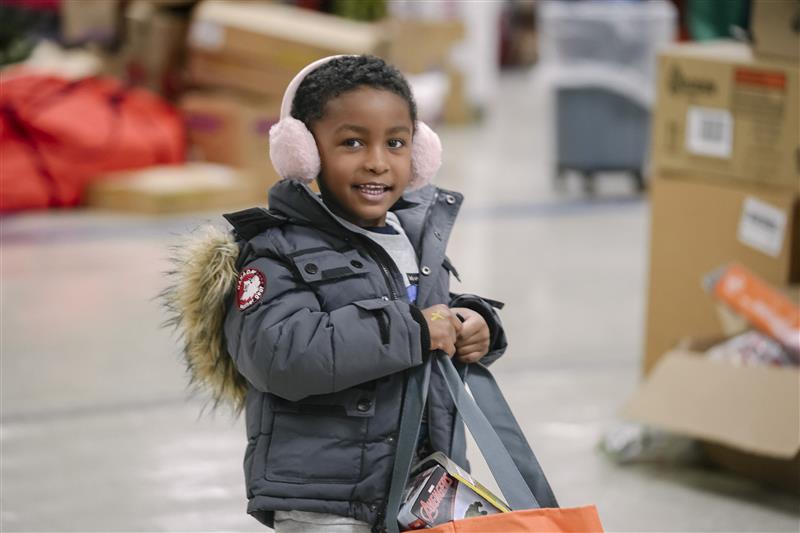
In Syracuse, where the community has long navigated high rates of child poverty, winter often intensifies already difficult decisions for families. In late December, the Mary Nelson Youth Center brought neighbors together for a large-scale distribution that supported more than 4,200 individuals with winter essentials, including blankets, clothing, and household basics.
For many families, the support arrived at a critical moment. One mother shared that recent changes to her food assistance benefits had sharply increased her grocery costs, forcing her to choose between buying food and purchasing gifts for her children. Because of this community effort, she didn’t have to make that choice. The day reflected what it looks like when a trusted local nonprofit shows up, offering warmth, relief, and reassurance during the heart of winter.
Choosing Warmth and Agency in Philadelphia
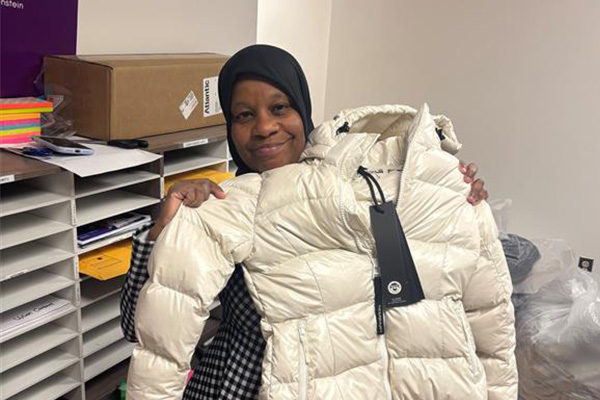
In Philadelphia, survivors of domestic abuse rebuilding their lives through Women Against Abuse (WAA) often face compounding challenges, from financial abuse and housing instability to the high cost of meeting basic needs. For many, winter brings added pressure, forcing difficult decisions about what can and cannot be afforded.
When winter coats became available for WAA’s residential clients and their children, survivors were invited to choose the coats that felt right for them. That moment of choice was intentional. WAA’s trauma‑informed approach centers self‑respect and independence, recognizing that many survivors have experienced control that stripped away personal decision‑making.
“By allowing survivors the opportunity to choose their winter coat, we are beginning to help restore a sense of agency for our clients and their children.”
With this basic need met, survivors could focus more fully on healing, without the added worry of how they would stay warm throughout the winter months.
A Late Cold Snap in Tennessee
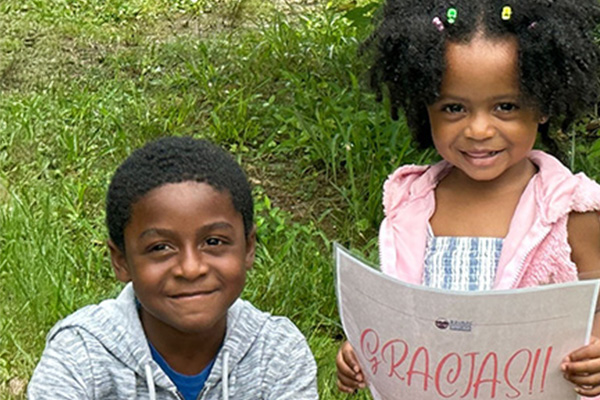
In Knoxville, newly arrived refugee families encountered an unexpected challenge: a late-season cold snap. For families arriving from warmer climates, winter temperatures were a reminder of how far they were from everything familiar.
One family of eleven, newly resettled from the Democratic Republic of Congo, arrived just as coats were being distributed. Children who were navigating a new school system and unfamiliar weather were able to stand at bus stops and walk to class, protected from the cold, something that made a difficult transition just a little easier.
When a Coat Means School Can Happen
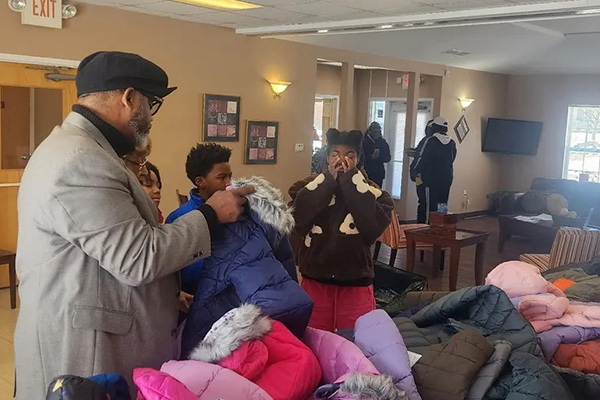
In St. Louis County, winter clothing shortages were affecting attendance in local schools. One six-year-old boy, Michael*, had been coming to school without a coat because his family couldn’t afford one.
When he received a new coat, the response extended beyond him; his entire class received winter coats so no child would feel singled out. That day changed the tone of the classroom. Students stayed warmer, attendance improved, and something small but essential was restored: the ability to focus on learning instead of the cold.
Keeping Families Warm at Home in Michigan
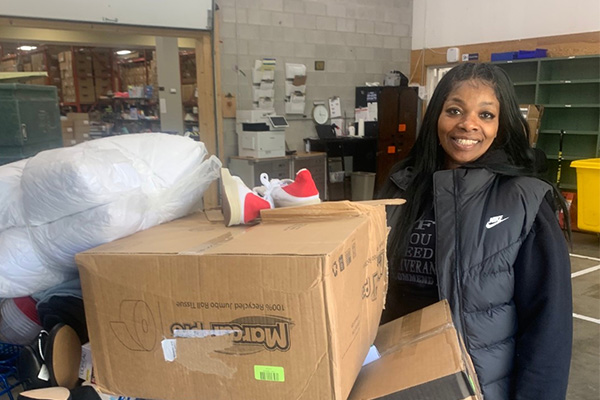
In Grand Rapids, a mother and her children were facing winter without adequate clothing or a safe way to heat their home. Through donated essentials, they received warm socks, clothing, pillows, and an electric heater.
She expressed gratitude through tears, knowing her children would be able to sleep more comfortably during the winter months. What could have been an uncertain season became one with greater security and relief.
“The fresh bedding made bedtime feel cozy and safe for my kids.”
Also in Grand Rapids, outreach teams met an unhoused woman who had been walking the city in flip flops, her feet exposed to cold pavement day and night. She asked simply if there were shoes available because her feet were cold.
Receiving proper shoes and socks brought immediate relief. For someone carrying everything they own with them, that moment meant warmth, protection, and being seen.
“She said she was going to change her socks right away — her feet were so cold.”
Jackets, Seen and Felt in Los Angeles
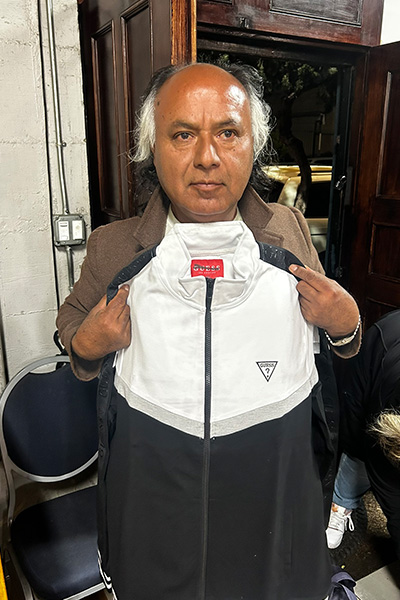
At a weekly food and clothing distribution in Los Angeles, a man named John* quietly stood in line on a cold Friday morning. He had recently lost his job and was sleeping in his car. When offered a jacket, he paused and then hugged it to his chest.
That jacket became more than an item of clothing. It was a reminder that someone noticed him during a difficult season. For John*, it marked a moment of warmth, both physical and human, when he needed it most.
Warmth After the Storm in St. Louis
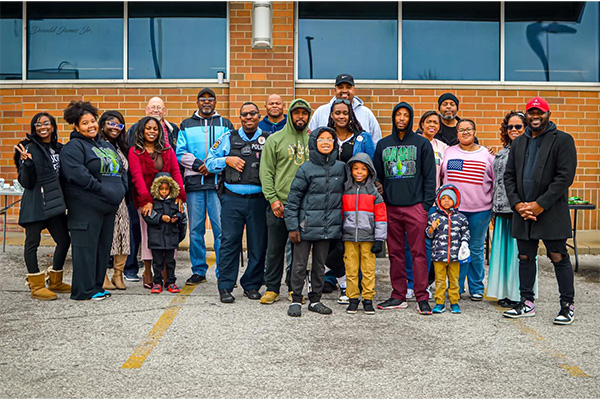
Following tornado damage in North and West St. Louis, families were navigating winter while displaced, without transportation, and waiting on delayed assistance. Neighborhood-based distributions brought blankets, gloves, socks, and winter accessories directly to families where they were staying.
A grandmother caring for her grandchildren shared how blankets helped them stay warm in temporary housing. Seniors spoke about gloves and thermal socks making daily movement more manageable as temperatures dropped. Bringing warmth directly to neighborhoods removed barriers and eased some of the strain of recovery.
“This support provided immediate warmth, stability, and dignity for survivors during a vulnerable period.”
Making Winter Feel Like Home
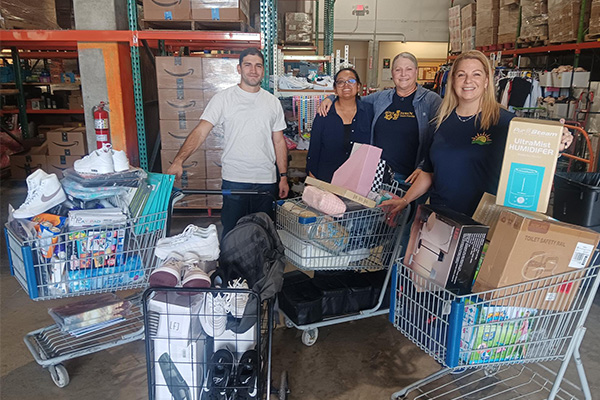
For families transitioning out of shelters or into new housing, warmth also meant comfort at home. In South Florida and California, children and parents received blankets, bedding, shoes, and clothing, items that transformed empty rooms and bare mattresses into livable spaces.
In one case, a single mother who had just received keys to her first apartment was able to bring home bedding and winter essentials the same week she moved in. That timing mattered. Her children didn’t just enter a new home; they entered one that felt warm and ready.
“For many, these items weren’t extras — they were essential lifelines.”
“The donations didn’t simply stock shelves — they stabilized families, restored dignity, and supported fresh starts.”
Showing Up, Together
Across cities, seasons, and circumstances, these moments tell a shared story: when communities face cold, displacement, or instability, showing up with warmth matters.
Whether it’s a coat that gets a child to school, socks that replace damp ones, or a blanket that makes sleep possible, these items meet people at critical moments. This holiday season, warmth showed up not as a single solution, but as many small, human ones, offered when they were needed most.