 Back
Back



Severe flooding across Maui in March 2026 has disrupted homes, infrastructure, and access to essential goods for thousands of residents. As emergency response efforts continue, individuals and companies can play an important role in helping communities stabilize and begin the long process of recovery.
What Happened in Hawaii
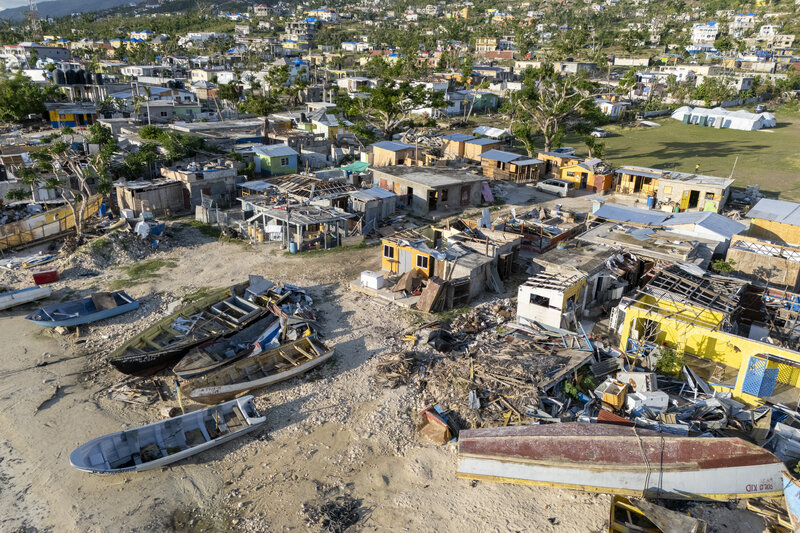
Between March 10 and March 15, powerful storm systems brought extreme rainfall, flash flooding, landslides, and destructive winds across parts of Hawaii. Maui experienced the most severe impacts, with some areas receiving up to 46 inches of rain and major infrastructure damage reported across multiple regions.
Floodwaters inundated residential communities, damaged roads and bridges, and cut off access to essential services and supply routes. Thousands of residents are facing displacement, including some who were still recovering from prior disasters. Power outages, water system disruptions, and limited availability of goods in local stores have compounded the challenges communities now face.
Initial cleanup and stabilization efforts are underway, but full recovery is expected to take months — or longer — as communities work to repair homes, restore infrastructure, and rebuild livelihoods.
How Disaster Response and Recovery Works
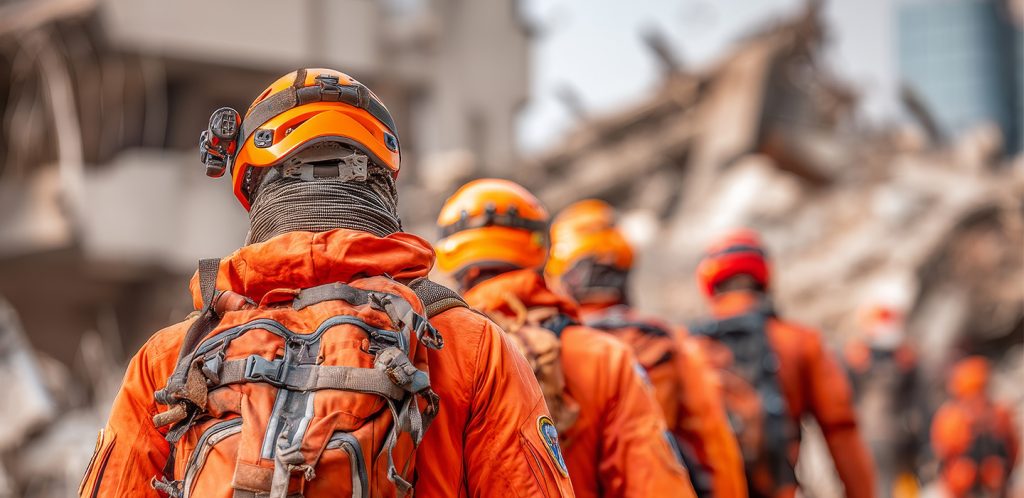
When severe flooding occurs, response efforts involve coordination between local authorities, emergency management agencies, nonprofit organizations, and logistics partners.
Immediate priorities typically include rescue operations, temporary shelter, access to food and clean water, and restoring critical infrastructure. As floodwaters recede, recovery needs shift toward cleanup, home stabilization, and replacing essential household goods that have been lost or damaged.
In geographically isolated areas such as island communities, damaged transportation routes and depleted local inventory can make it difficult to access the supplies needed for safe recovery. This is where national nonprofit logistics networks and corporate product donors play a vital role in helping communities regain stability.

Good360’s Role in Hawaii Flood Recovery
Good360’s Disaster Response & Recovery team is actively monitoring conditions in Maui and coordinating with nonprofit partners and logistics organizations to support affected communities.
Through partnerships with transportation providers and corporate donors, Good360 is mobilizing shipments of critical recovery supplies, including items that help families clean, repair, and safely return to their homes.
These supplies may include:
- Emergency tarps and protective equipment
- Cleaning and restoration tools such as mops, buckets, and industrial fans
- Dehumidifiers and air purifiers to address moisture damage
- Hygiene and household essentials
- Safety footwear and generators to support recovery operations
Local resources have been significantly strained, and sustained support will be needed to ensure communities can move from immediate response into long-term recovery.
How Individuals Can Help Hawaii Flood Recovery
Give to Support Disaster Recovery
Financial contributions allow disaster response teams to quickly source and deliver the most needed goods as conditions evolve. Flexible funding helps nonprofits respond efficiently, reduce delays in aid delivery, and support communities through both the immediate aftermath and the rebuilding phase.
Supporting disaster recovery efforts today helps ensure families can access the essential products needed to clean up, restore safe living conditions, and rebuild stability.
How Companies Can Help Through Donations
Corporate partners play a critical role in disaster recovery by donating essential goods at scale. Product donations help nonprofit organizations meet urgent needs while reducing pressure on disrupted local supply chains.
Companies can support flood recovery by donating items such as:
- Cleaning and sanitation supplies
- Home repair and stabilization products
- Personal care and hygiene goods
- Protective equipment and safety gear
- Household essentials for displaced families
By working with Good360’s nonprofit distribution network, product donations can reach communities quickly and efficiently, helping families recover with dignity while strengthening long-term resilience.
Supporting Long-Term Recovery in Hawaii
Disaster recovery does not end when floodwaters recede. Communities affected by severe flooding often face extended rebuilding timelines due to infrastructure damage, environmental impacts, and economic disruption.
Continued support in the months ahead will help ensure nonprofit partners can provide essential goods, stabilize housing conditions, and help families regain a sense of normalcy.
Staying engaged, whether through giving, corporate partnerships, or raising awareness, plays an important role in helping Maui communities recover and rebuild stronger.