 Back
Back



Your hurricane preparedness guide for 2026 — what to do before a storm is in the forecast.
“Storm season is not the time to start planning — it’s the time to execute the plan you already have. Preparedness saves lives, reduces chaos, and helps communities recover stronger and faster.”
Morgan Loomis, Vice President of Disaster Resource Development, Good360
Hurricane season runs June 1 through November 30, and forecasters are predicting an active season this year. The Atlantic outlook calls for 11 to 16 named storms, 4 to 7 hurricanes, and 2 to 4 major hurricanes, with 3 to 5 expected to make direct U.S. impacts. That’s on par with, and in some categories above, the 30-year historical average.
The time to prepare is now — before the season is underway, shelves are cleared, and evacuation routes are congested. Preparedness doesn’t eliminate risk, but it changes outcomes.
Here are five essential steps you can take to build your hurricane preparedness plan before a storm forms.
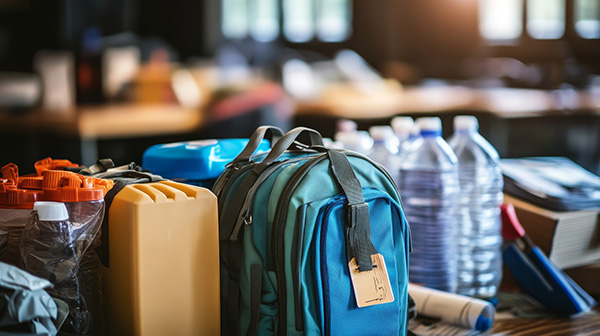
1. Build a 7-Day Emergency Preparedness Kit
When a storm hits, you may have minutes rather than hours to grab what you need and go. Having a go-bag or emergency preparedness kit ready in advance means you’re not making critical decisions under pressure. FEMA recommends keeping supplies stocked well before hurricane season peaks, not once a storm is already forming.
Your kit should include:
- Water (one gallon per person per day)
- Nonperishable food
- Flashlights and extra batteries
- Portable phone chargers and power banks
- First-aid supplies
- Prescription medications
- Cash in small bills
- Pet supplies if needed
2. Make a Hurricane Evacuation and Communication Plan
In a hurricane, evacuation orders can come with little notice. Knowing your zone, your route, and your destination before a storm forms could be the difference between an orderly exit and a dangerous one. Start by identifying your evacuation zone and designating an out-of-state emergency contact your family can reach if local cell service fails.
Decide in advance:
- Where your household will go if evacuation is ordered
- Multiple routes in case primary roads are flooded or closed
- An out-of-state emergency contact everyone knows
- How you’ll reconnect if cell service is down
“Don’t be fearful, but go ahead and get yourself in a headspace where you know where you would go, you know who you would contact. Consider, what would happen today if this happened to me? How would I handle it?”
— Conan, Global Empowerment Mission
3. Protect Your Home Before Hurricane Season Peaks
Home preparation is most effective well before a storm is in the forecast. When a storm is approaching, you’re competing with an entire community for the same supplies and the same shrinking window of time. Photograph your home and valuables now for insurance documentation so you have a visual record before any damage occurs.
Before hurricane season peaks:
- Trim trees and remove weak or overhanging branches
- Clean gutters and drains to prevent flooding
- Bring in or secure outdoor furniture
- Test sump pumps and generators
- Install storm shutters or board-up materials if you live in a hurricane-prone area
4. Review Your Insurance Coverage Before Disaster Strikes
Many people discover gaps in their coverage only after a storm has already caused damage, which is the worst time to learn what your policy does and doesn’t include.
Key areas to review now:
- Flood insurance, which is often a separate policy from standard homeowners insurance
- Wind damage deductibles, which can vary significantly by region
- Temporary housing coverage if your home becomes uninhabitable
- Inventory documentation requirements
One important note: flood insurance policies can have waiting periods before they become active, so purchasing coverage now rather than when a storm is approaching ensures you’re protected when you need it.
5. Prepare for Extended Power Outages
Severe storms frequently cause outages that last days rather than hours, and planning for that reality in advance makes an enormous difference in how your household weathers the aftermath.
Helpful steps:
- Fully charge all devices before any storm threat arrives
- Keep backup batteries and flashlights stocked and accessible
- Freeze containers of water to help keep food cold longer during an outage
- Fuel vehicles ahead of time so you’re not competing for gas when stations are crowded
- Learn how to safely operate a generator — always outdoors, never inside a home, garage, or enclosed space due to carbon monoxide risk
If you live in a hurricane-prone region, pay close attention to storm surge evacuation zones, inland flooding risks, and the difference between tropical storm watches and warnings. A battery-powered weather radio is a reliable backup when cell service and internet go down.
Start Your Hurricane Preparedness Plan Now
Disasters don’t announce themselves with enough warning to start from scratch, and the families and communities that recover fastest are almost always the ones that prepared before the season started. Set aside time now to talk through a hurricane preparedness plan with your family and friends — where you’d go, what you’d grab, how you’d reach each other. That conversation is where preparedness actually begins.
For additional resources, visit Ready.gov and the National Hurricane Center. To learn more about Good360’s disaster response work, visit our Disaster Response and Recovery page.