 Back
Back



By Morgan Loomis, Vice President of Disaster Response for Good360
In the early morning of July 16th, Javi watched his security camera from work as his mother and neighbor quickly collected whatever they could grab in the dark and left to escape rising flood waters. Javi raced home to help. The creek behind Javi’s house, where he lives with his parents and niece, quickly flooded. Over three feet of water wreaked havoc on Javi’s home, destroying two cars and nearly all of their belongings including Javi’s equipment he uses for work as a photographer and videographer.
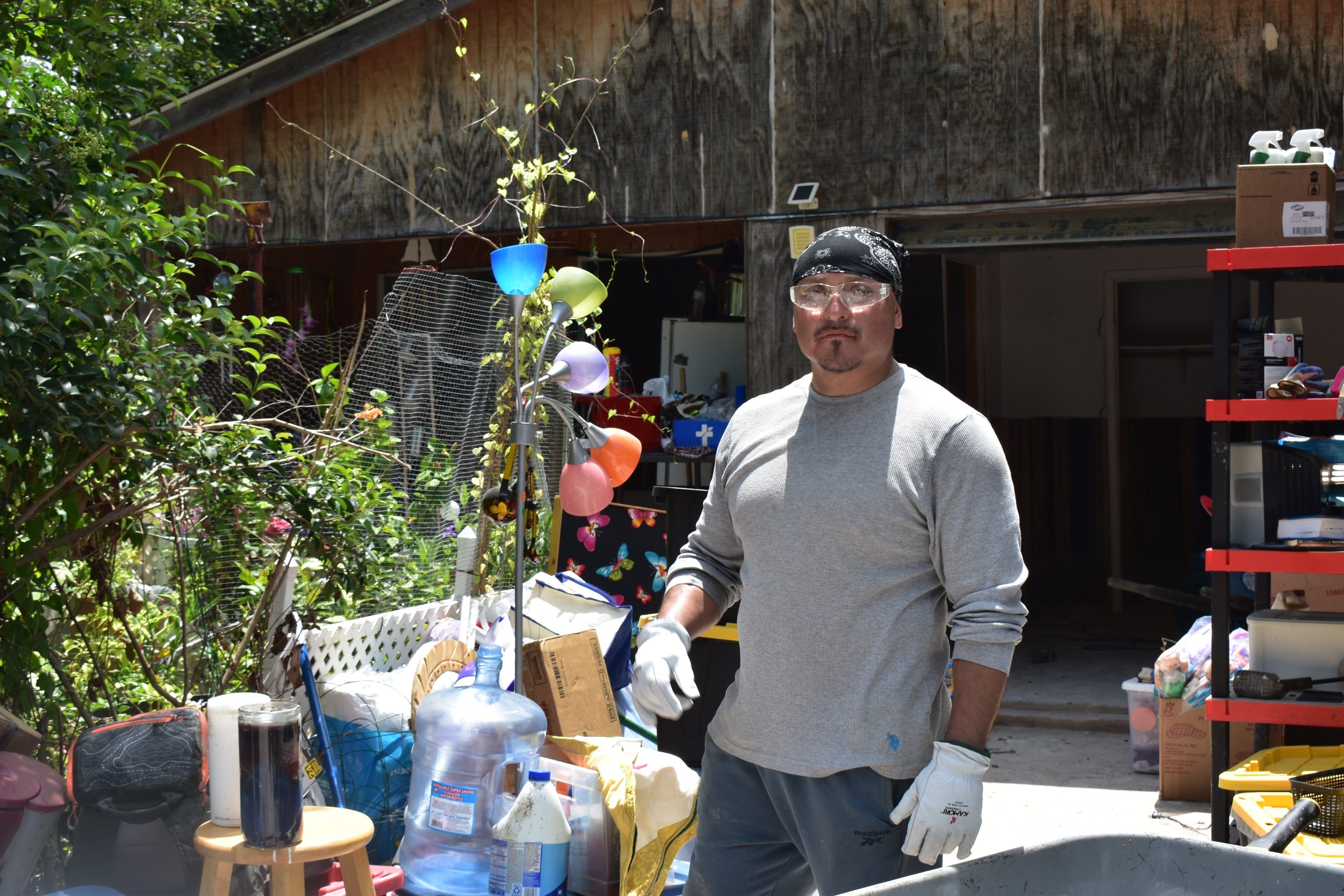
Javi and his family aren’t alone. Recent flash floods in Kerr County, Texas damaged 490 homes and forced 100 businesses to temporarily close their doors. This happened just one year after flash floods devastated Kerr County on the Fourth of July, when over 130 people were killed and two people remain missing today.
While this year’s floods caused significant and widespread damage, resources have been slow to arrive compared to last year. One week after the flooding, nonprofits are seeing limited donations and there is minimal national news coverage or celebrities driving awareness. Nonprofits and churches, the backbone of the response, are worried there won’t be enough resources to help everyone. “Last year, there were enough donations to help people rebuild. This time, we’re desperately waiting for more help to arrive,” one nonprofit shared.
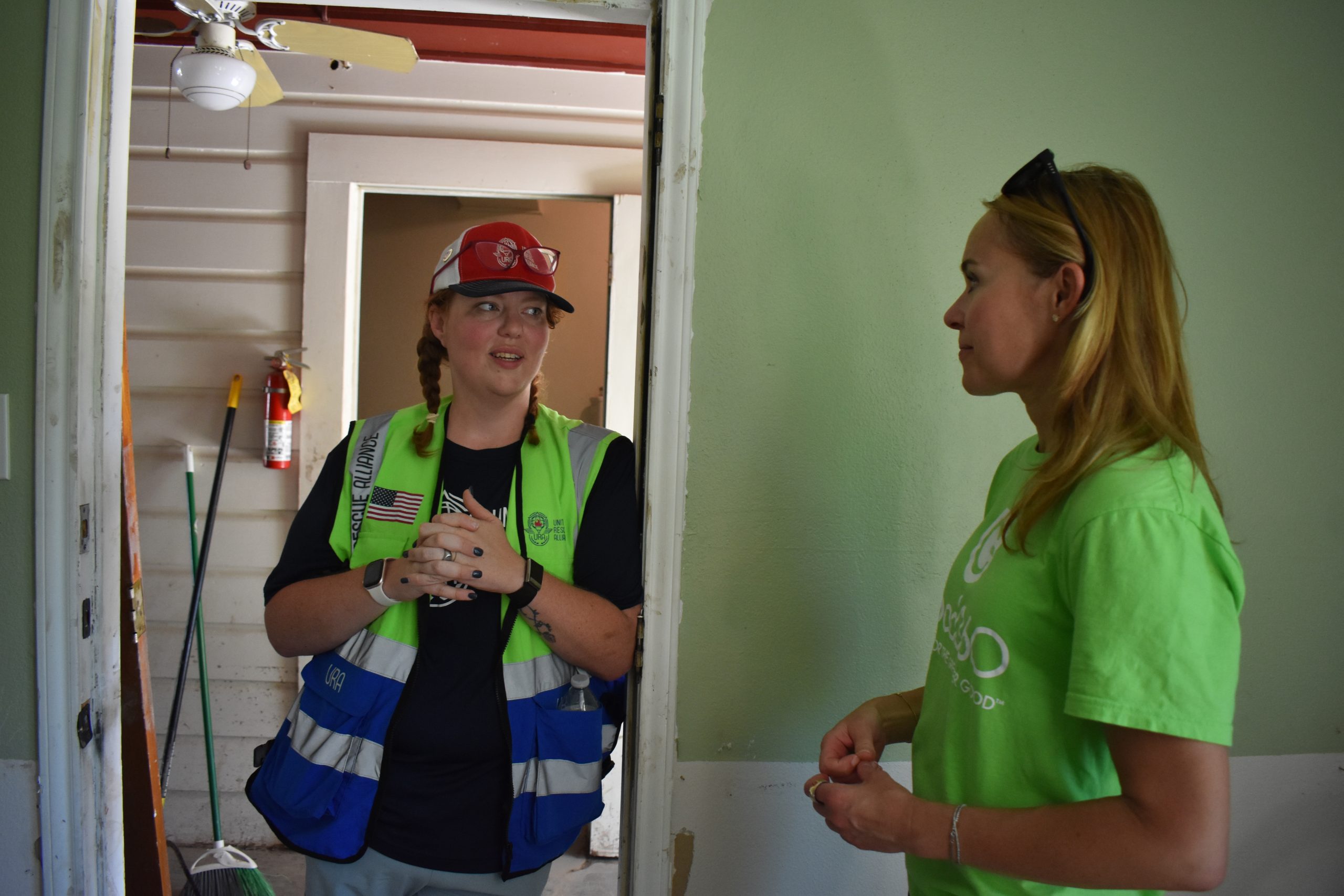
Good360 deployed a team to Kerrville to support local nonprofits and impacted families. We met with nonprofits like United Rescue Alliance who we worked with in response to last year’s floods where Good360 distributed over $4 million in product to more than 20 nonprofits.
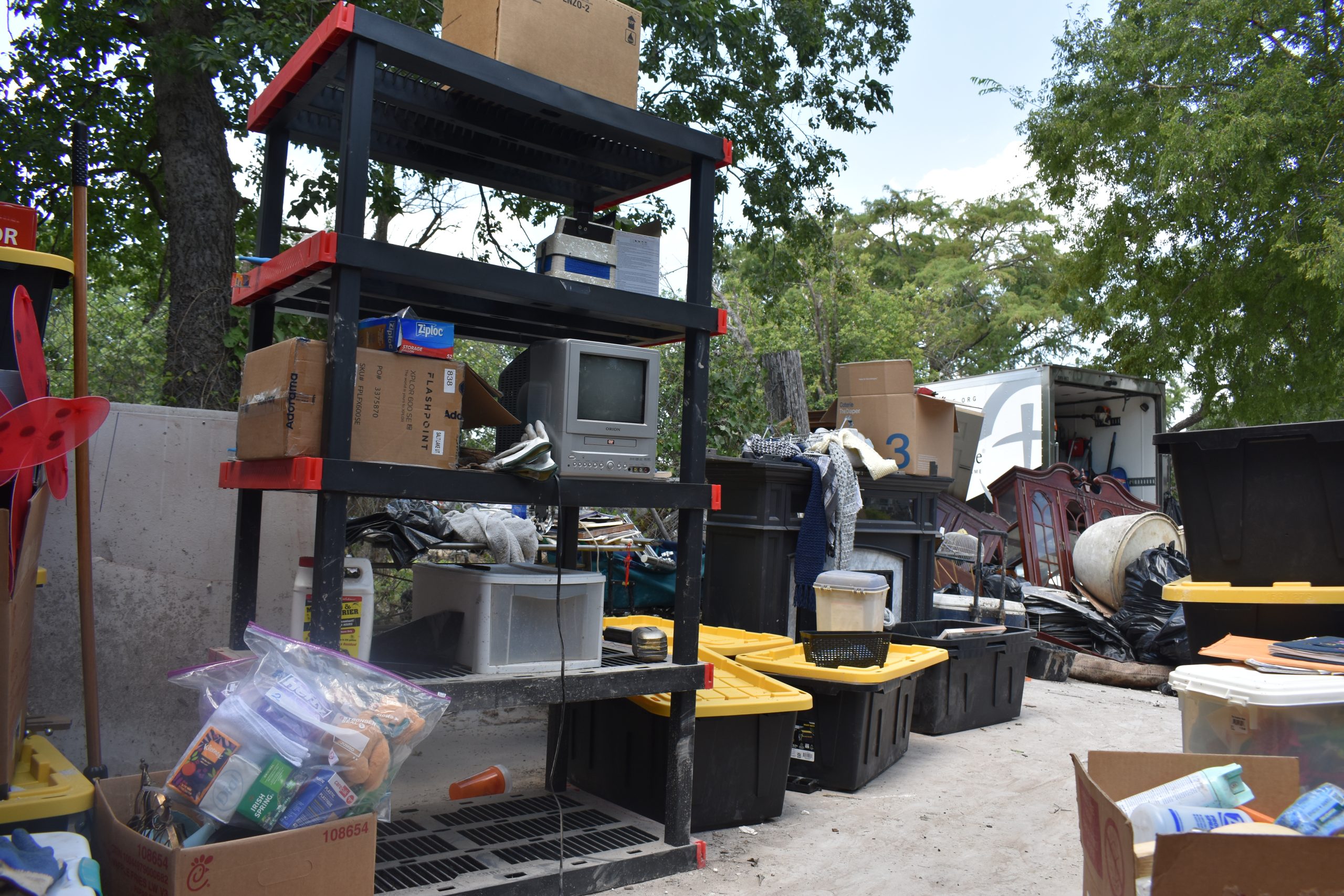
Driving through Kerrville, we passed street after street where families were deconstructing their homes. Their entire life on their front lawn waiting to be thrown in a dumpster.
United Rescue Alliance was on the ground days after the flooding, providing immediate assistance. They introduced us to George.
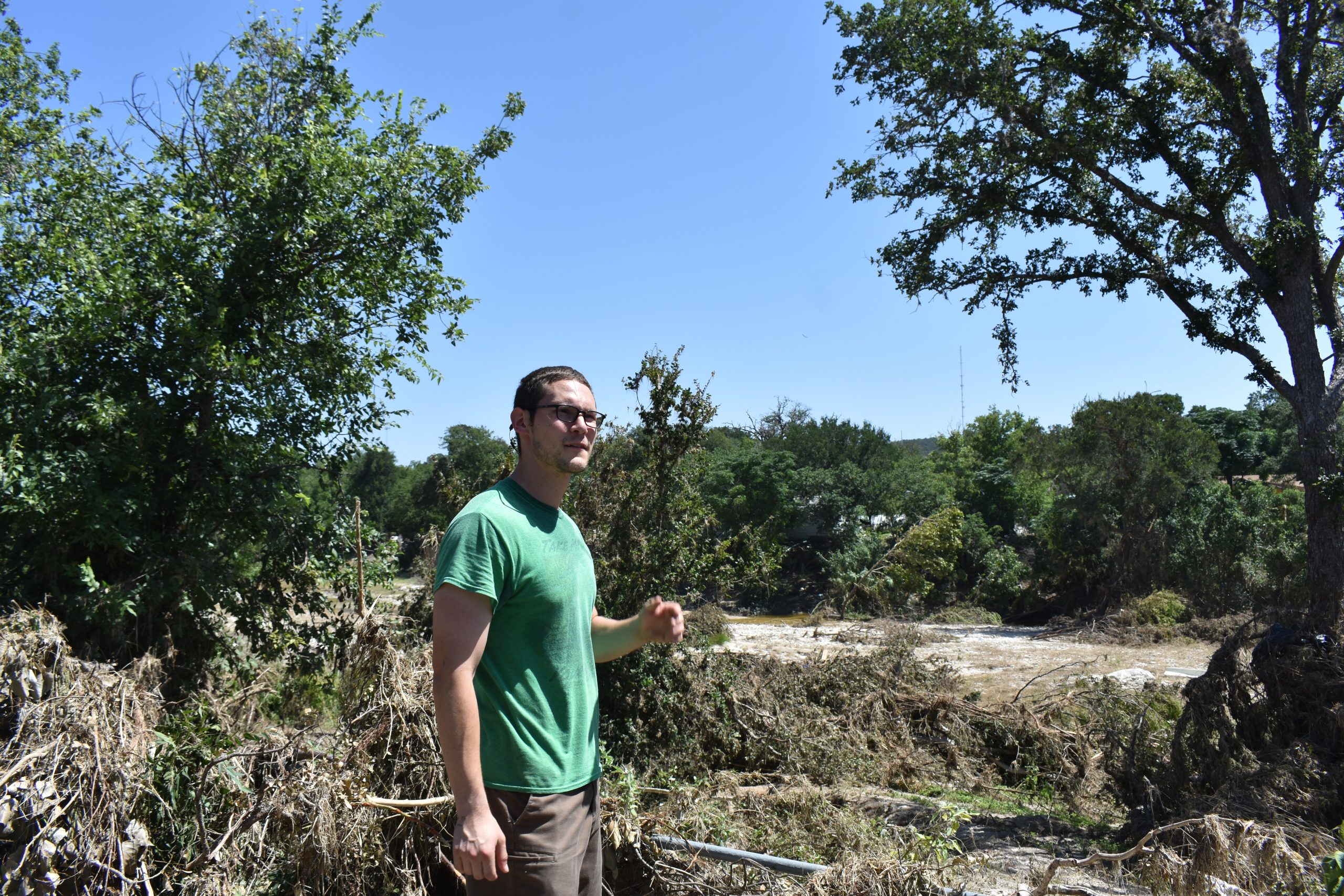
George lives in Kerrville with his wife Carly, 2-year-old son, 7-month-old daughter, and two dogs. On July 16th, George woke up to texts at 3 a.m. warning that the creek behind his house was flooding. “We had maybe 20 minutes to grab everything,” George said.
George’s family managed to get everyone into his mother-in-law’s SUV that had enough clearance to drive through the water. They waited in a parking lot down the road, watching their belongings float away. The water rose just above their tires before stopping.
In true Texas fashion, George ensured all his neighbors were able to evacuate. He trudged through the water, going door to door, waking everyone up and making sure they got out.
One common theme throughout my time in Kerrville was the overwhelming sense of camaraderie in the community. People show up for one another.
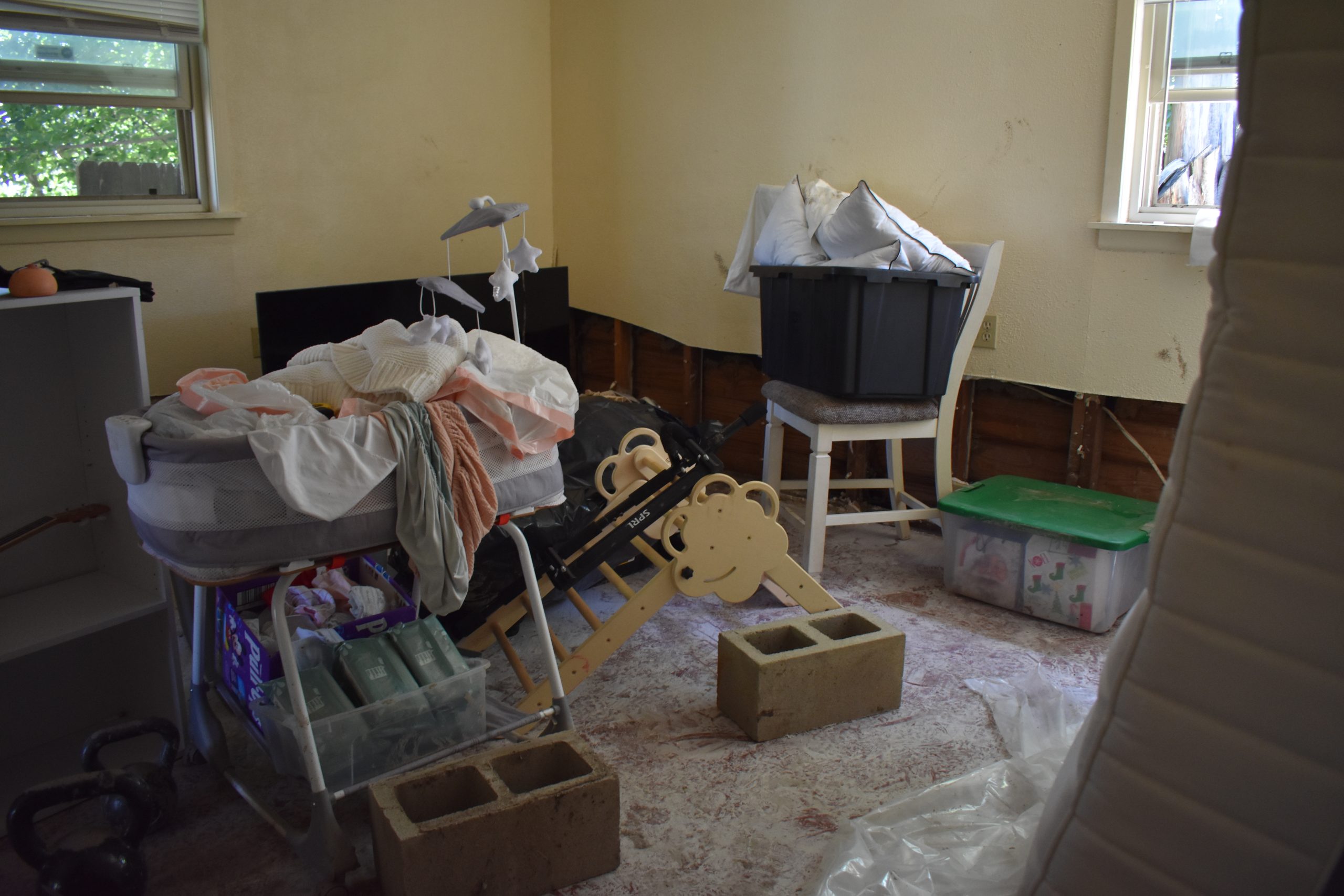
Days after the flood, George found help from people who were impacted by last year’s flood, people who know exactly what he’s going through. George, neighbors, and friends spent the last few days clearing out every room, removing damaged drywall. “My biggest fear is mold, especially with two young kids,” Carly shared.
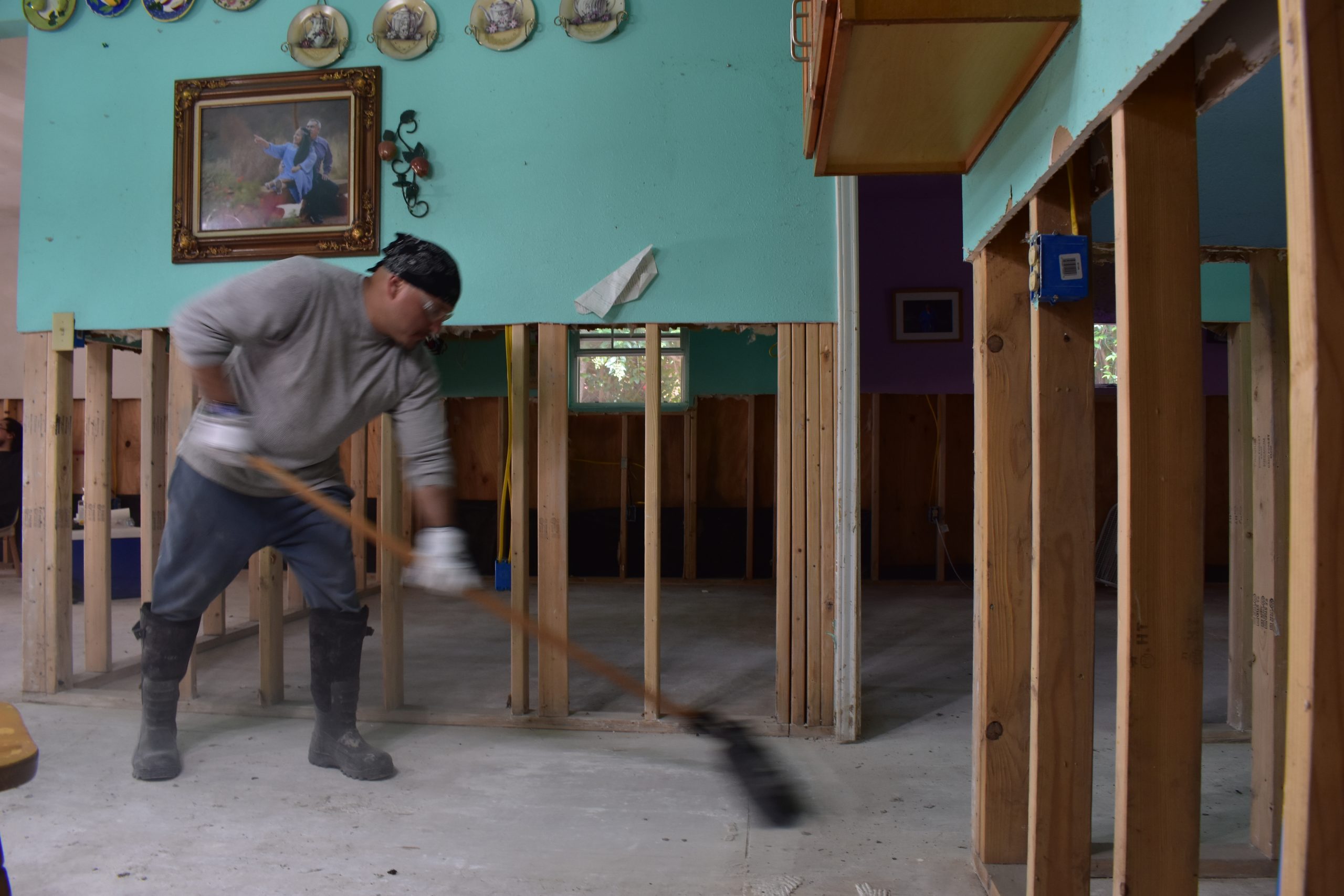
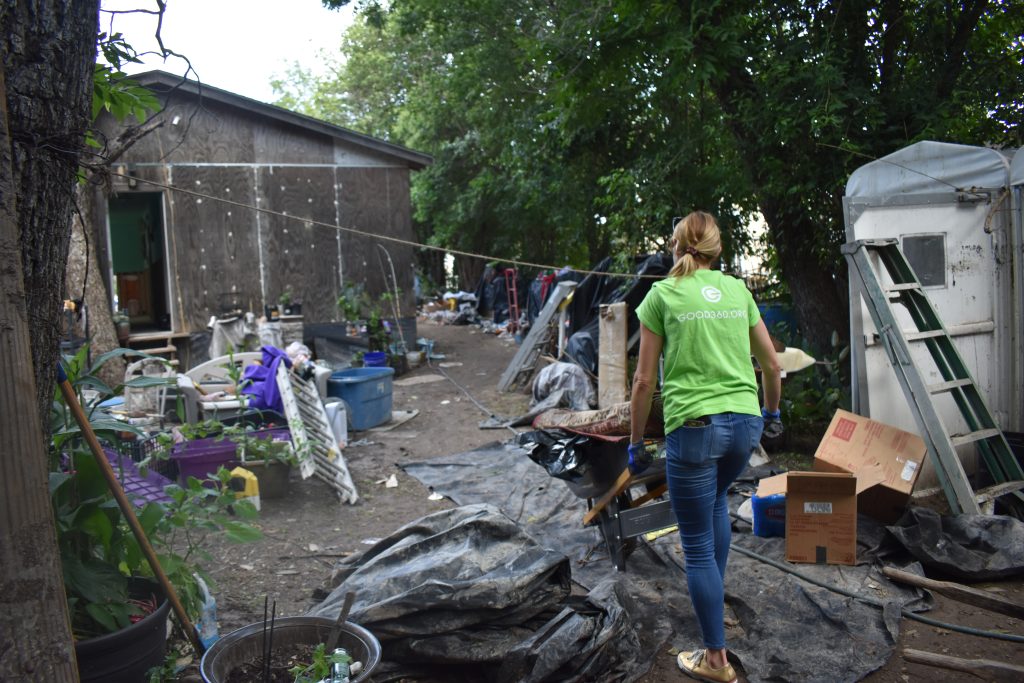
Similarly, Javi, his family, and United Rescue Alliance managed to clean out his entire house — a home that Javi’s father built with his own hands. In the kitchen, all that remains are lights, a few decorations, and a picture of Javi’s parents that he took. The rest of their belongings were covered in mud as Javi’s mother, Maria, decided what items were salvageable and what items needed to be thrown away. Item after item, memory after memory, Maria made impossible decisions.
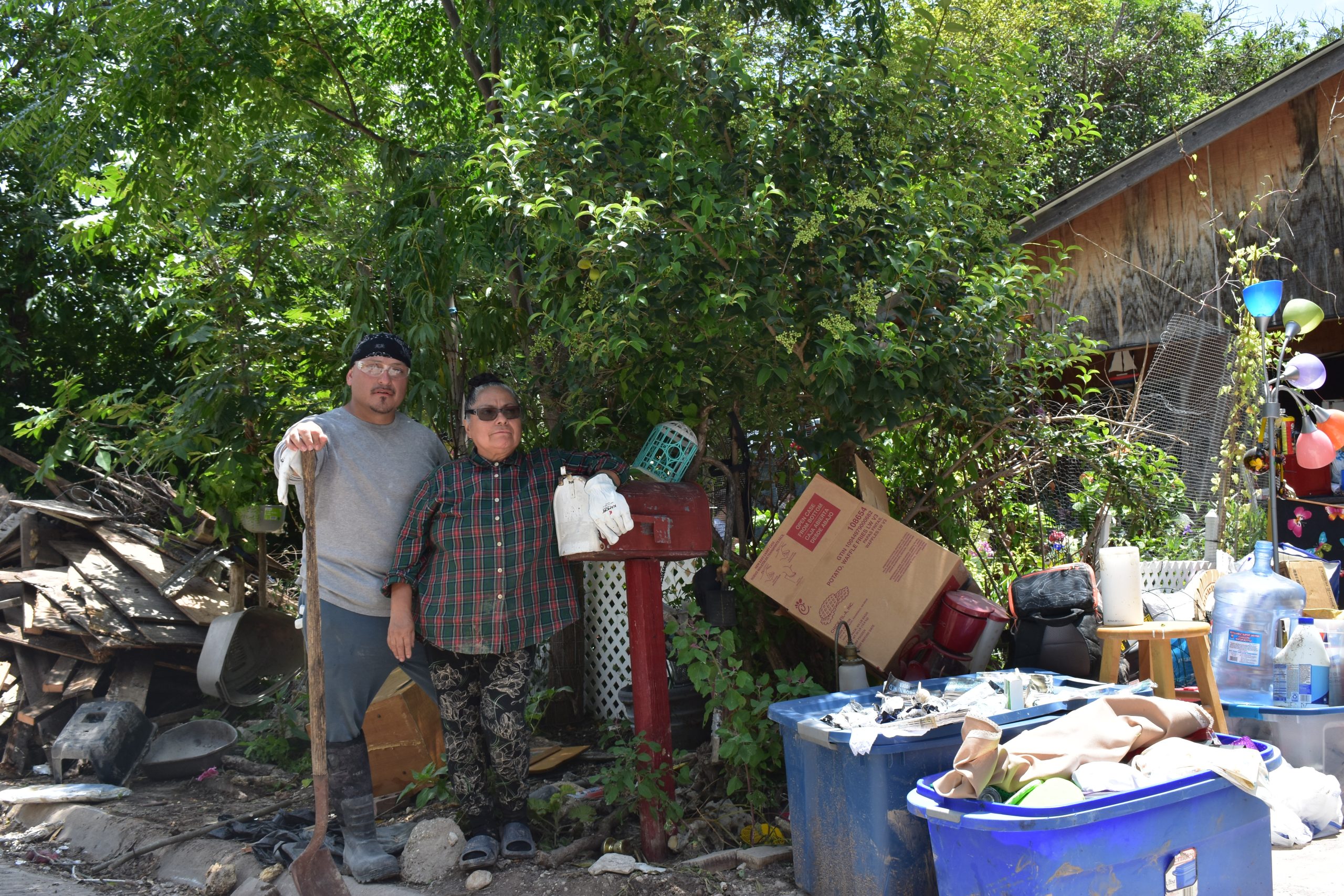
When I asked Javi what it meant to receive support from neighbors and nonprofits, he shared: “Nobody knew how we were going to do this. Nobody knew how we were going to clean everything. It was overwhelming. I really appreciate everyone coming together to help. I thank God for the help.”
When disaster strikes, it’s often the least visible needs that make the biggest difference. As families work to salvage what they can from their homes, one critical challenge is removing flood-damaged materials and belongings like mold-soaked drywall, ruined flooring, damaged furniture, and treasured personal items.
With local waste collection services stretched beyond capacity and most residents unable to access private dumpsters, debris can quickly pile up, creating health hazards and slowing recovery. That’s why, in addition to providing urgently needed supplies through local nonprofit partners, Good360 is working with United Rescue Alliance to quickly secure dumpsters to help clear away the debris.
Removing damaged materials not only helps prevent mold from spreading but also gives families a chance to begin rebuilding without the constant reminder of everything they’ve lost.
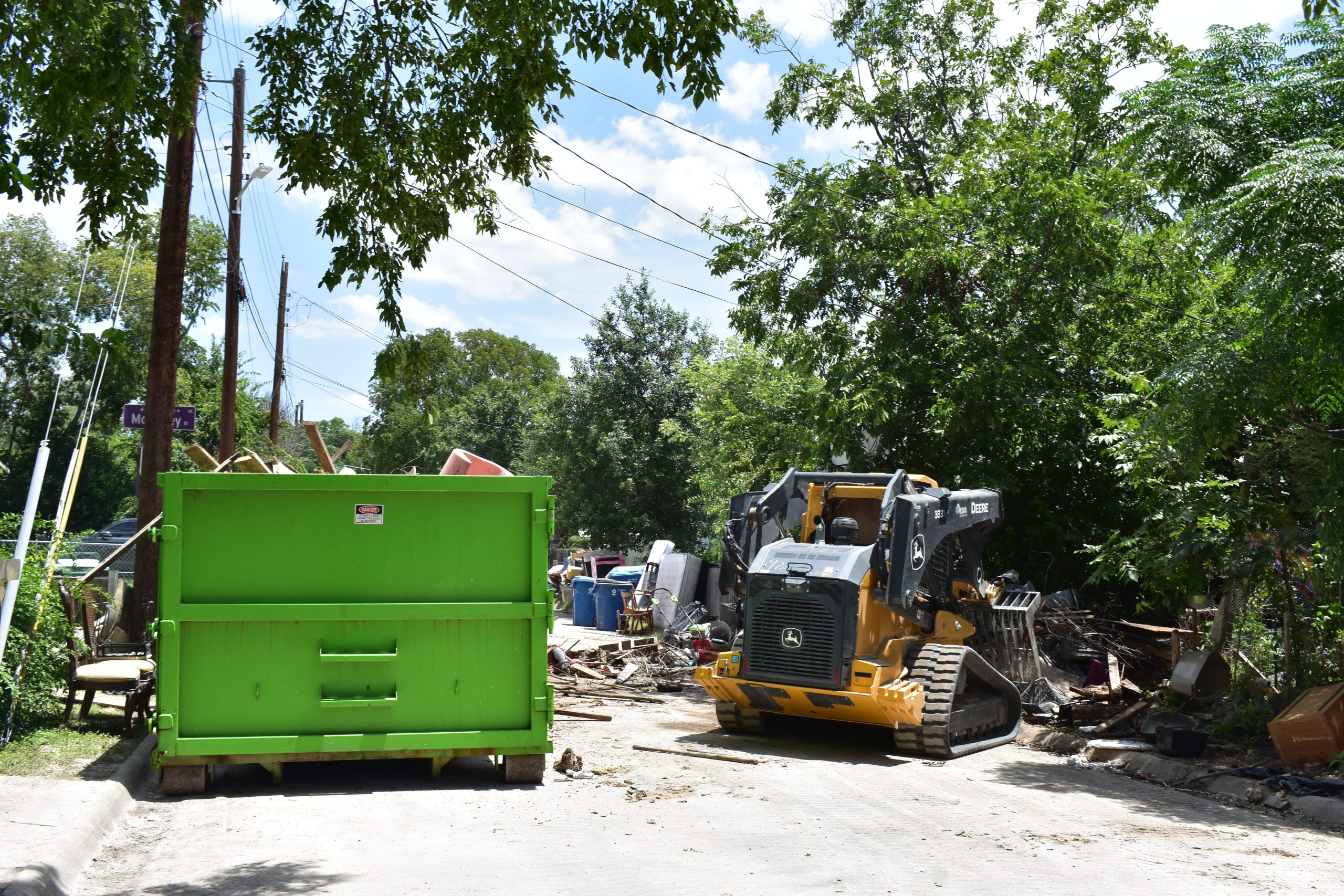
This is just the first step in recovery. The road ahead is long, and it will take months, if not years, for people to rebuild and find a sense of normalcy.
Good360 is committed to supporting the Kerrville community, but we cannot do this work alone. If you’d like to support our work, please visit good360.org/donate.