
 Back
Back
2026 HEALTH & HYGIENE REPORT
When the Basics Are Out of Reach:
Health & Hygiene Access In America
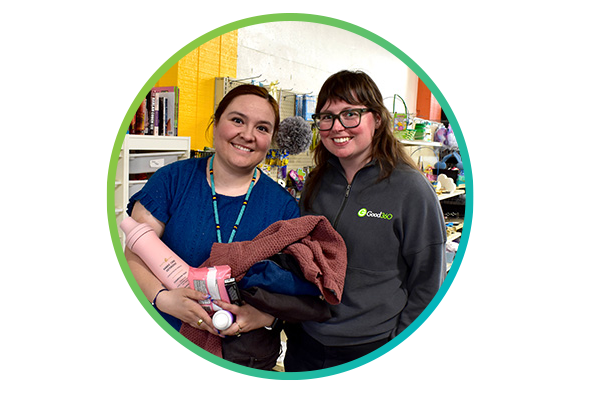
A Note from Our CEO
Every day, people face impossible decisions. Buy groceries or buy soap. Pay the utility bill or buy diapers. Spend time with family or pick up an extra shift to afford period products. These are not rare circumstances. They are the daily realities of millions of Americans, and they are growing more common as communities navigate disaster, hardship, and rising costs.
What this report makes clear is that access to health and hygiene products is not optional. It is the foundation for dignity, confidence, and participation in daily life. When people have shampoo, hand soap, diapers, and period products, they can show up fully, for school, for work, for their families, and for themselves.
At Good360, we believe there is more than enough to go around, and no one should have to live without the essentials. As people continue to face impossible trade-offs as the cost of living increases, we are committed to working with corporate partners and donors to ensure that everyone, everywhere has what they need to not just survive but to thrive.

Cinira Baldi
Chief Executive Officer
Good360
In the past year alone, Good360 distributed health and hygiene products representing $288,455,831 in fair market value, impacting 5,862,923 lives through approximately 3,900 nonprofit partners nationwide. Yet the need far outpaces the supply.
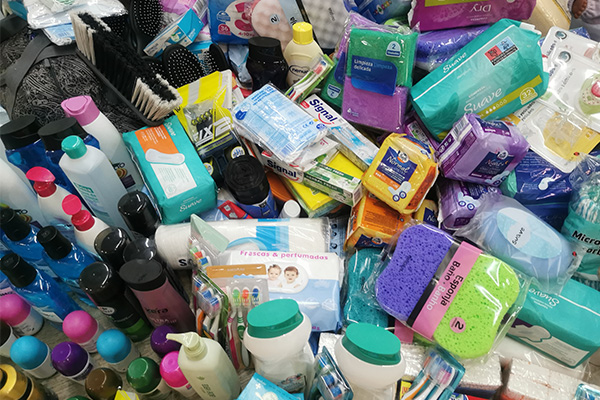
What is Hygiene Poverty?
The inability to afford everyday essentials like shampoo, toothpaste, tampons, diapers, or laundry detergent.
It is a persistent and growing crisis affecting communities across the country. Good360 conducted a study within its nonprofit network to understand how deep that crisis runs, and what it costs the people living it.
Good360’s impact within its Health and Hygiene Focus Area has been significant, but we know we can do more. The health and hygiene study seeks to better understand the needs of our nonprofits and the communities they serve, and how these products have changed the trajectory for many of the individuals who have benefited from them. The findings help to inform Good360’s product philanthropy strategy to ensure we secure the right types of products and advocate for smarter distribution cycles by identifying current supply gaps and pinpointing operational barriers.
The State of Health & Hygiene Access
Despite differences in geography, organization size, and population served, nonprofit organizations reported striking consistency in unmet hygiene needs. The most commonly cited critical gaps include:
- Personal care items (soap, shampoo, deodorant)
- Dental hygiene (toothbrushes, toothpaste)
- Menstrual hygiene products
- Household cleaning supplies
- Paper products (toilet paper, paper towels)
- Diapers and wipes

Adolescents were the most frequently identified high need age group, followed by adults, children, infants, and seniors—underscoring that hygiene insecurity spans the full life course.
Executive Summary
Across the United States, nonprofit organizations report that lack of access to basic health and hygiene products is a persistent and growing barrier to stability, dignity, and participation in daily life. Findings from a Good360 survey of our nonprofit partners in early 2026—paired with in-depth interviews and case studies—reveal that hygiene poverty cuts across geography, age, and population type. It affects students’ ability to attend school, adults’ readiness for work, seniors’ health and mental well-being, and families’ overall stability. Of the 5,753 active nonprofits sourcing directly from Good360, approximately 3,900 sourced health and hygiene products in the past year—a scale that reflects the critical role these essentials play, and the urgency of closing the gaps that remain.
The evidence is clear: health and hygiene products are not supplemental goods. They are foundational infrastructure for individual well-being and community resilience. When access is reliable and dignified, it unlocks confidence, participation, and trust. When access is disrupted or inconsistent, the consequences include absenteeism, social isolation, stigma, and disengagement in everyday life.
Across the study, period poverty emerged as a clear, cross-cutting theme, with nonprofits consistently identifying lack of access to menstrual products as a primary driver of missed school, disengagement from programs, and diminished confidence—particularly among adolescents.
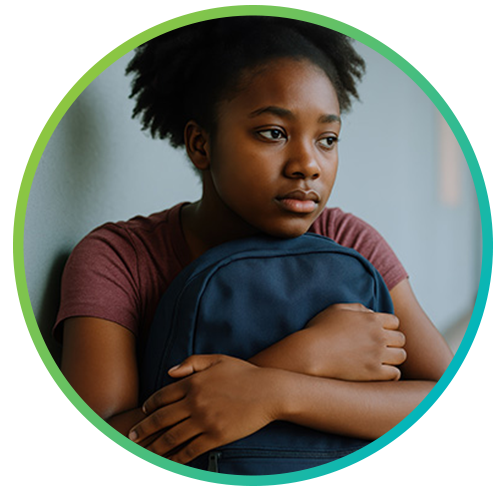
Key Finding: Period Poverty
While hygiene insecurity affects people of all ages and genders, menstrual hygiene emerged as one of the most immediate, visible, and under-addressed barriers to participation—particularly for adolescents. Across the case studies, lack of access to menstrual products repeatedly surfaced as a direct cause of missed school, missed programming, and social withdrawal.
Approximately 73% of surveyed nonprofit partners identified menstrual products as a critical hygiene gap. Because period products are not covered by government-funded programs like Supplemental Nutrition Assistance Program (SNAP) or Women, Infants, and Children (WIC), families facing tight budgets often deprioritize them—leaving girls to manage scarcity quietly rather than risk embarrassment or stigma.
A lot of people are making decisions between diapers for their kids and their teenagers. As a result, the teenagers are getting left behind.
Nonprofit Survey Respondent, Arizona
Menstrual Hygiene as a Participation Barrier Across Contexts
A High Impact, Low Barrier Intervention
Across these diverse contexts, the impact of menstrual hygiene access followed a consistent pattern. When period products are predictable, discreet, and stigma-free, the results are immediate and measurable:
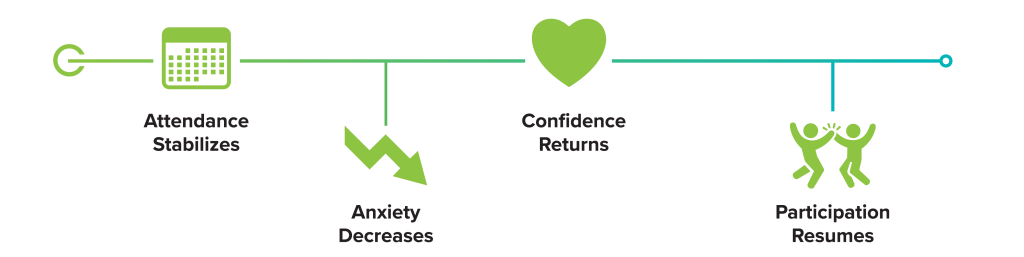
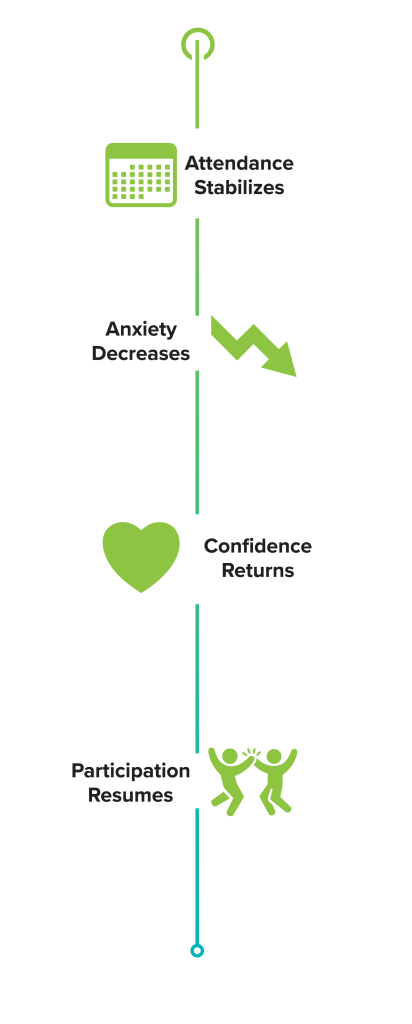
Our research reinforced the reality that accessible menstrual hygiene is not a secondary or niche issue. It is a foundational requirement for educational access, dignity, and equity, particularly during adolescence—a developmental stage when peer belonging and self-confidence are especially fragile.
By addressing menstrual hygiene directly, nonprofits are not only meeting a basic need; they are removing one of the clearest and most solvable barriers to participation identified in this research.
Barriers to Health & Hygiene Access
The Benefit Gap and the Impossible Trade-offs
The most pervasive barrier identified is the gap between what public benefits cover and what families need to stay clean and healthy. Supplemental Nutrition Assistance Program (SNAP) and Women, Infants, and Children (WIC) play a vital role in food access but do not cover essential hygiene items such as soap, toothpaste, deodorant, menstrual products, diapers, or cleaning supplies. 82% of the organizations with direct visibility into beneficiary experiences reported that this benefit gap comes up frequently or always. Families describe making impossible trade-offs: food versus laundry detergent, rent versus diapers, or medical expenses versus personal care items.
We literally watched this grandfather put down a case of water because his granddaughter — you know, we were able to have toys that day — they had a little kitchen set. And he put down the case of water so that he could then carry a kitchen set for his granddaughter. And it’s just like, why do you have to choose?
Native American Heritage Association
Stigma and Dignity Barriers
Our findings noted that hygiene scarcity is accompanied by shame. Students hesitate to ask for deodorant or menstrual products. Adults ask for a single item rather than what they truly need. Seniors on fixed incomes express embarrassment about requesting basics.
How Access Changes Lives: Voices from the Field
Key Insight: Hygiene Access Unlocks Participation
Across the survey and case studies, a consistent causal chain emerges:
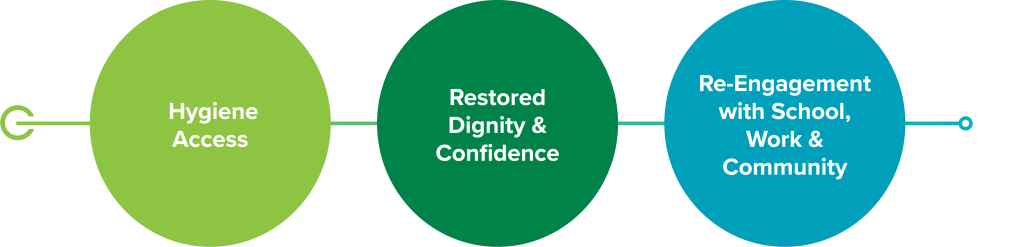
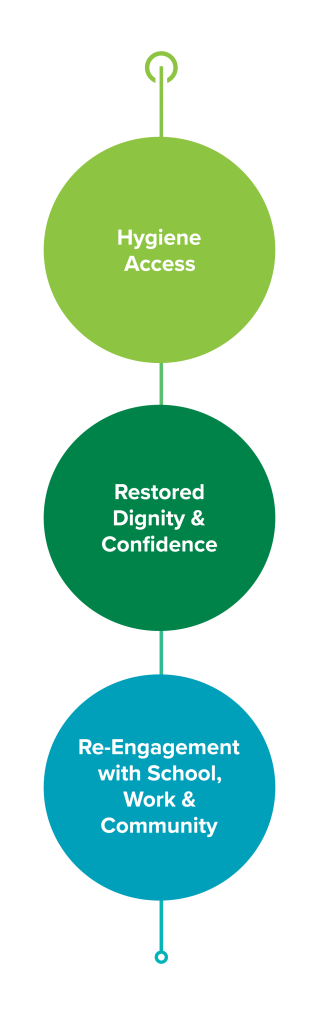
90% of surveyed organizations identified improved dignity and mental outlook as the most significant impact of hygiene product distribution.
Conclusion: Hygiene is Infrastructure
Hygiene is not a luxury, an add-on, or a one-time charity item. It is essential infrastructure for human wellbeing. When individuals have access to the basics they need to care for their bodies and homes, they are better able to attend school, show up for work, engage in services, and participate fully in their communities. Meeting hygiene needs is the foundation upon which impact is built.
Methodology and Scope
This report draws on two complementary sources:
- Good360 Health & Hygiene Survey: Nonprofit respondents across 16 states, serving urban, suburban, and rural communities and a wide range of populations.
- Follow-up interviews and case studies with nonprofit partners representing rural communities, youth-serving organizations, and school-based distribution models.
Important limitations: The survey sample is not representative of all Good360 partners. Most quantitative findings come from multiple-choice questions and should be interpreted as directional rather than ranked. Open-ended responses are weighted heavily and provide the richest insight into lived experience.
At Good360, we connect donated goods across five key focus areas: Disaster Response & Recovery, Play & Recreation, Health & Hygiene, Home & Essential Goods, and Education & STEAM. These strategic priorities are informed by this and other research.
Health & Hygiene Access Across Good360’s Nonprofit Network
Good360 has long prioritized meeting the health and hygiene needs of communities served by nonprofit partners across its network. These partners operate in diverse settings—including food pantries, hygiene and diaper banks, community centers, homeless and domestic violence shelters, K–12 schools, and healthcare clinics—serving people of varied ages, geographies, and racial and ethnic backgrounds.
This health and hygiene report aims to deepen understanding of nonprofit and community needs, assess how these products influence outcomes, and inform Good360’s product philanthropy strategy. The findings will help identify supply gaps, operational challenges, and opportunities to improve distribution—ensuring we connect donated goods and resources to where they can do the most good.

Ways To Help
Good360 has long prioritized meeting the health and hygiene needs of communities served by nonprofit partners across its network. These partners operate in diverse settings—including food pantries, hygiene and diaper banks, community centers, homeless and domestic violence shelters, K–12 schools, and healthcare clinics—serving people of varied ages, geographies, and racial and ethnic backgrounds.
This health and hygiene report aims to deepen understanding of nonprofit and community needs, assess how these products influence outcomes, and inform Good360’s product philanthropy strategy. The findings will help identify supply gaps, operational challenges, and opportunities to improve distribution—ensuring we connect donated goods and resources to where they can do the most good.
Donate Hygiene Products
Retailers, manufacturers, and brands with new hygiene products to donate can visit: Good360.org/Corporate-Partnerships

Join Our Network to Access Hygiene Products
Charities and schools can join our network for free to access hygiene products to support communities: Good360.org/Nonprofit-Membership

Donate Money
To help alleviate hygiene poverty, because everyone deserves access to life’s essentials: Good360.org/Donate

For More Information
Contact us on how you can support our Health & Hygiene work, please email: [email protected]
Our Donors
Special thank you to our generous product donors, whose kindness has meant vulnerable communities can access much-needed hygiene essentials, providing hope and dignity.
Amazon
Amway Global
Arbonne Charitable Foundation
Bath & Body Works
Charlotte Tilbury
Clean the World
Colgate-Palmolive
Cora
CVS Caremark Corp
Estée Lauder Companie
Evolution of Smooth (EOS)
Grainger
Haleon
Halo
Kohl’s
L’Oréal
Mammoth Brands
MARQ Labs
Nice-Pak
Norwex USA
Nutrasumma Inc.
Pro2Solutions
Right Gift Inc.
SeneGence
The Crème Shop
The Green Room OC
Ulta Beauty
United Airlines
Walmart
If we helped with hygiene and cleaning supplies, it frees up money so they can pay their bills.
Gilmer County
Family Resources Network
Prefer a hard copy of this report? Download a print-friendly PDF version.